6 min readAuf Deutsch lesen
Are Acrylic Nails Bad for Your Natural Nails? Myths vs Facts
Acrylic nails do not ruin natural nails. Learn what actually causes damage, how proper removal works, and why professional application matters.

In short
Acrylic nails do not inherently damage natural nails. Liquid monomer and powder polymer form a durable shield, but damage occurs when untrained technicians over-file the natural nail plate, pry off grown-out acrylic, or ignore lifting where moisture collects. Proper application, adequate salon ventilation, and safe professional removal keep the underlying nail bed perfectly healthy.
At a glance
- Material composition
- Liquid monomer and polymer powder
- Safe removal method
- Acetone soak-off (never prying)
- Best suited for
- Long nail extensions and weak natural nails
- Professional removal fee
- 25 € at NailLine studio
- Hygiene standard
- Disposable files and sterilised metal tools
Does Acrylic Liquid and Powder Destroy the Natural Nail Plate?
Many clients worry that the chemical formulation of acrylic enhancements thins or permanently weakens the natural nail underneath. In reality, liquid monomer and powder polymer combine to create an inert, hard layer that sits on top of the nail plate. In Austria, commercial nail care operates under a unregulated trade framework known as a freies Gewerbe (a commercial licence that does not require a formal master craft examination), which means technical expertise and prep standards can vary between salons.
Damage attributed to acrylic almost always originates from aggressive mechanical preparation rather than the chemical mixture itself. When an operator uses heavy electric files or coarse abrasive paper directly on the natural nail plate to strip away surface shine, they strip away vital keratin layers. Professional preparation involves gentle buffing to lightly etch the surface, giving the product a clean surface to anchor without compromising structural health.
02
How Improper Removal and Neglected Refills Cause Real Trauma
Natural nail damage rarely occurs while wearing an intact, properly balanced set of acrylics. Instead, trauma occurs during incorrect off-loading or when sets are left on long past their maintenance window.
At our studio in Vienna 1070, safe removal of enhancements costs 25 € to ensure your underlying natural nails remain intact, smooth, and healthy.
- 1
Avoid forceful prying
Ripping off an acrylic tip tears away the upper dorsal layer of keratin from your natural nail, leaving thin, sensitive red patches.
- 2
Respect refill intervals
Waiting longer than three to four weeks shifts the structural apex forward, placing excess leverage on the natural stress zone.
- 3
Prevent moisture traps
Lifted edges allow water from daily handwashing to collect beneath the synthetic layer, creating an ideal damp space for microbes.
- 4
Choose professional soaking
Safe removal protocol uses controlled acetone soaking to dissolve the acrylic matrix gently without scraping the natural nail plate.
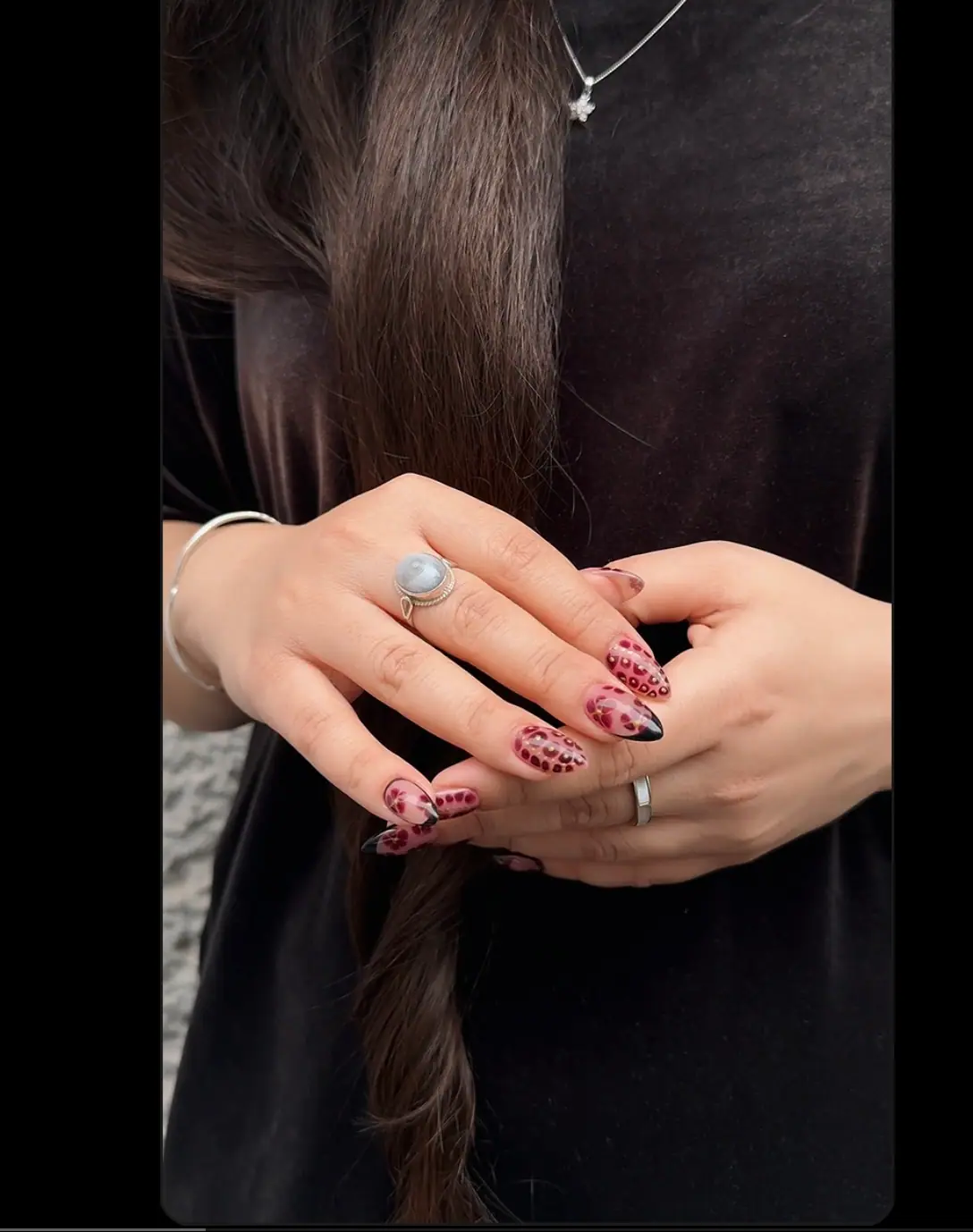

Why Does Acrylic Monomer Smell and Is It Safe?
The sharp, distinct scent during acrylic application comes from the liquid monomer evaporating as cross-link polymerisation begins. While the aroma is noticeable, it is not an indicator of nail destruction or chemical toxicity when processed under professional environmental controls.
Dedicated salons manage monomer evaporation by installing table dust collectors and active ventilation systems to clear fumes continuously. At NailLine, air filtration units protect both client and artist throughout the service. For individuals whose soft, weak nails fail to support flexible gels, the solid strength of acrylic offers unmatched durability. You can explore our finished sets in our online nail gallery.
Acrylic vs Builder Gel for Natural Nails
| Acrylic Enhancements | Builder Gel | |
|---|---|---|
| Structural Rigidity | High, firm skeletal support | Medium, flexible resilience |
| Best Natural Nail Type | Weak, soft, or oily nail plates | Normal to brittle nail plates |
| Ideal Extension Length | Medium to extreme lengths | Short to medium lengths |
| Removal Process | Soaking in acetone solution | Filing or soaking depending on formula |
Both enhancement materials are completely safe for natural nails when applied and removed by trained nail artists adhering to proper hygiene protocols.
Have it done at NailLine.
Every service with price and duration on one page – and online booking when it suits you.
See the prices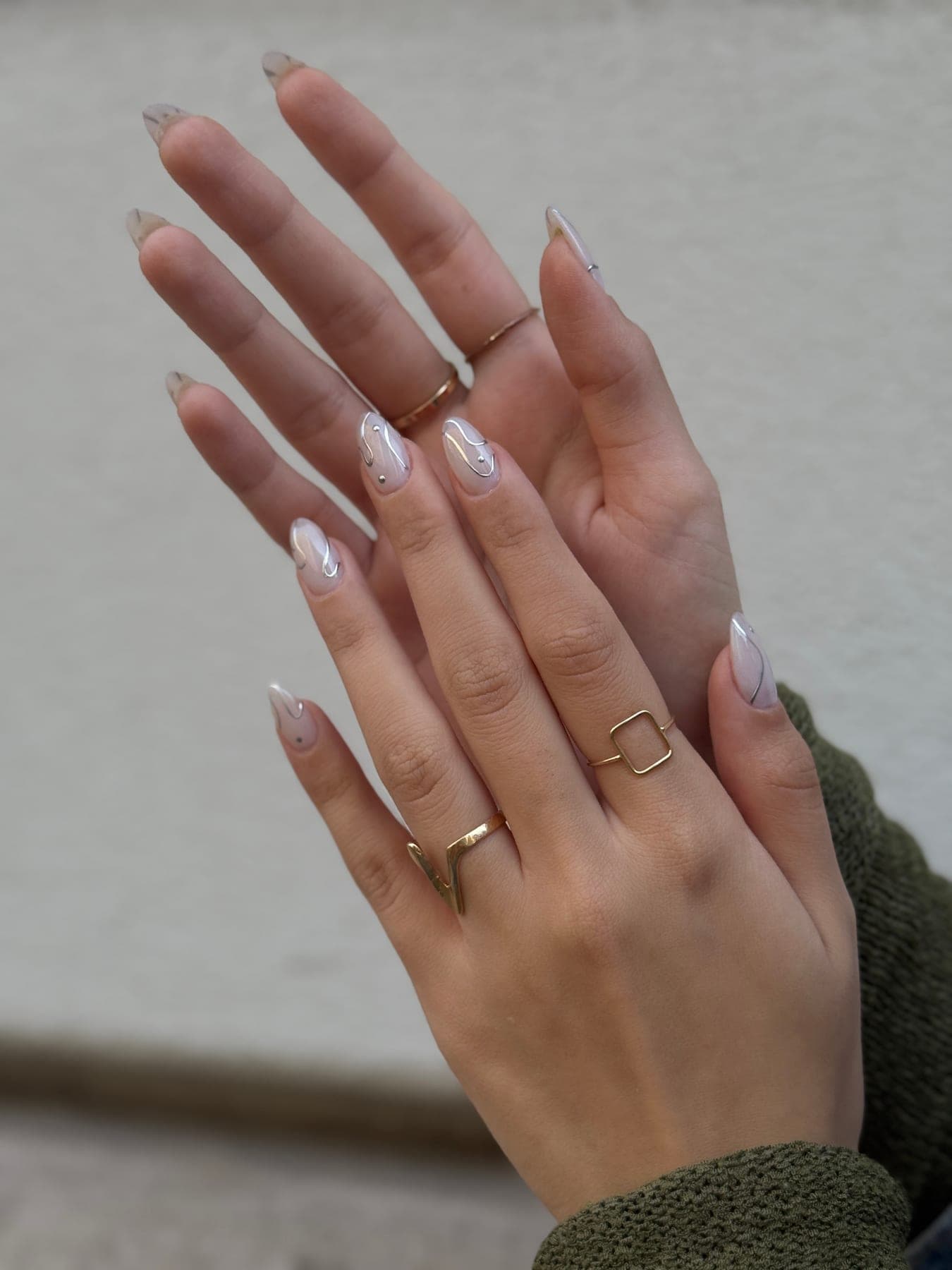
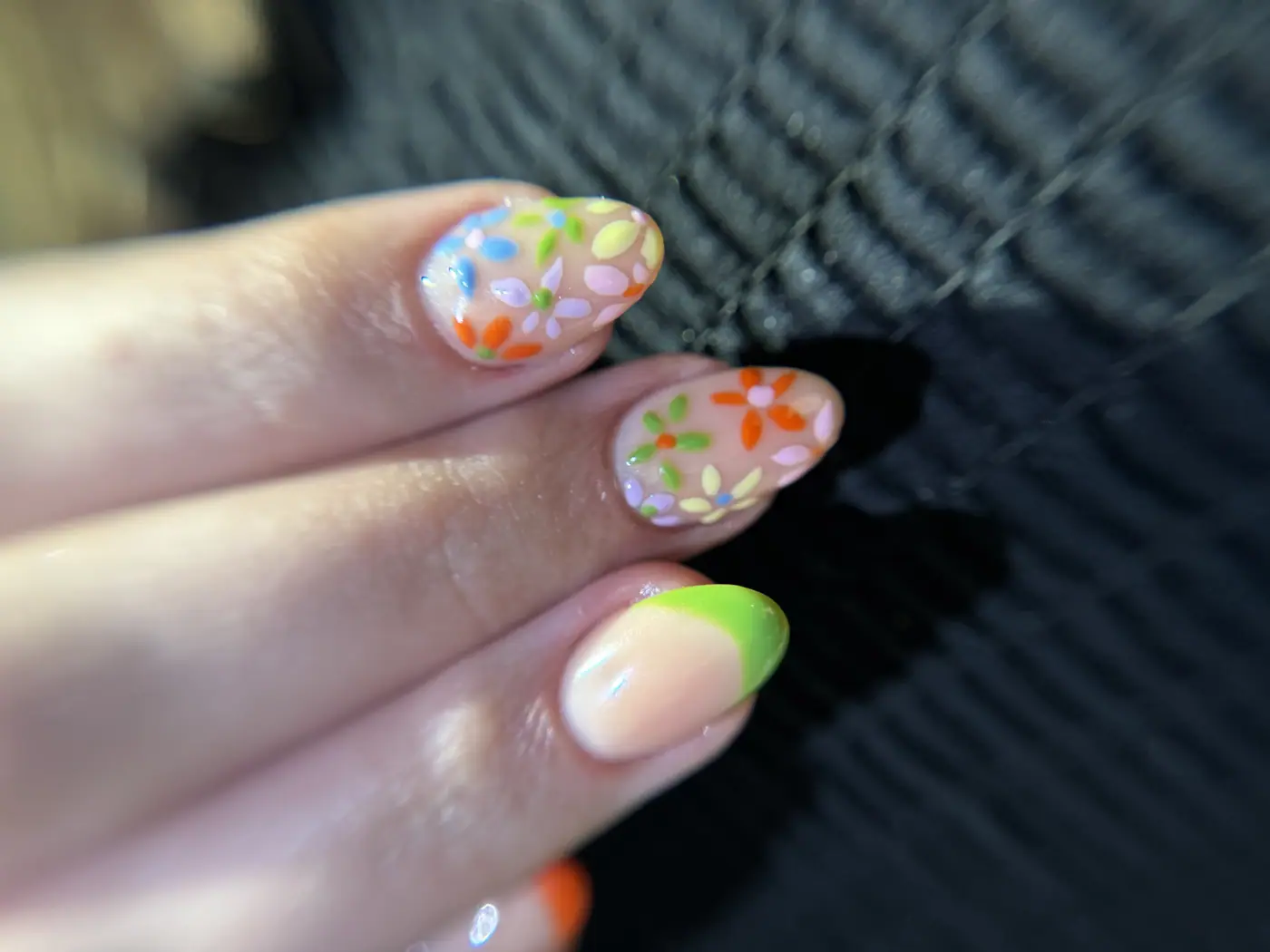
How Professional Studios Prevent Fungal Infections Under Extensions
Fungal spores do not generate spontaneously beneath synthetic overlays; they rely on trapped moisture, warmth, and contaminated equipment to take hold. A rigorous studio setup eliminates these conditions entirely.
- Single-use abrasives – Buffers and grit files must be brand new for your appointment or disposed of immediately after use to avoid cross-contamination.
- Autoclaved metal tools – Cuticle pushers, nippers, and e-file bits must go through medical-grade thermal sterilisation between every client.
- Dehydrated surface prep – Nail plates are cleansed with antiseptic agents to eliminate surface moisture before primer and monomer are applied.
- Complete perimeter seal – A seamless bond around the cuticle and sidewalls keeps environmental water from seeping under the enhancement.
If a client presents with severe nail discolouration, persistent lift pockets, or structural damage, our nail artists conduct a careful visual inspection before proceeding. For active medical conditions or deep fungal infections, clients are advised to see a doctor before applying any further cosmetic enhancements.
Should You Choose Acrylic or Gel for Weak Nails?
Deciding between acrylic and gel depends on your natural nail flexibility, daily routine, and desired length. While gel flexes under pressure alongside the natural nail plate, acrylic cures into an unyielding, impact-resistant shield that acts as a solid external skeleton.
Clients who experience continuous lifting with flexible gel formulas often find that acrylic provides the rigid stability necessary for long extensions or brittle nail beds. If you want to compare service options, review our transparent pricing breakdown or consult with an artist before you book an appointment online.
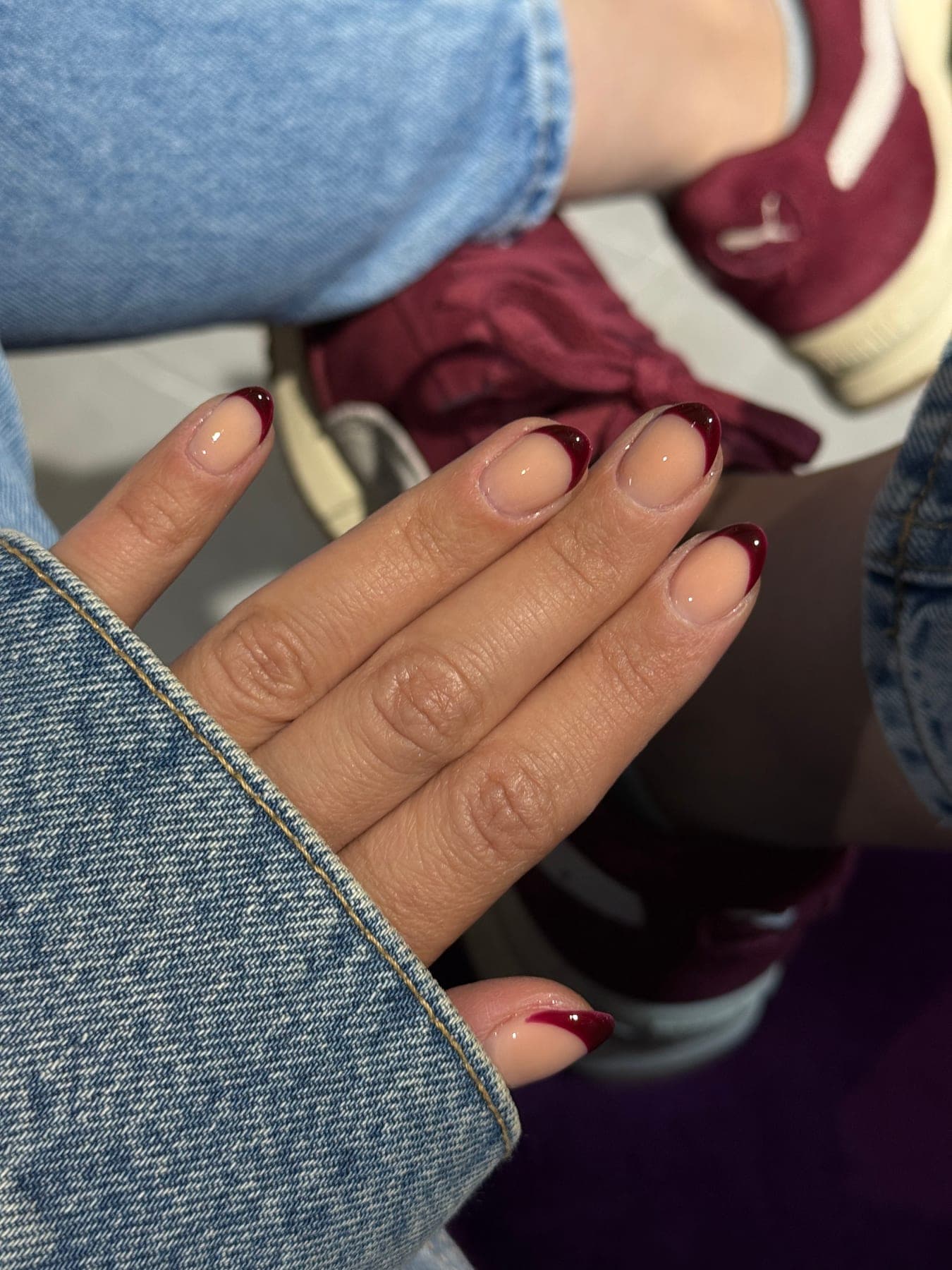
Healthy Nails Start with Correct Technique
Acrylic extensions do not cause nail damage by default. When applied over lightly prepared nail plates, refreshed with regular maintenance, and removed through safe acetone soaking, your natural nails under the enhancement stay strong and undamaged.
By selecting a studio in Vienna that prioritises sterilised metal instruments, disposable files, effective dust ventilation, and gentle removal practices, you can enjoy long, beautiful acrylic sets without compromising natural nail health.
The short version
- 1Acrylic material itself does not thin or destroy healthy natural nail plates.
- 2Improper mechanical filing and forceful prying are the true causes of nail trauma.
- 3Trapped moisture beneath lifted product can lead to bacterial or fungal growth if neglected.
- 4Professional salon ventilation neutralises the strong odour associated with monomer liquid.
- 5Regular refills every three to four weeks maintain balance and prevent stress breaks.
Request an appointment.
Two minutes for the form, we confirm by phone. Or book online via Treatwell right away.
To the formFrequently asked
Sources and further reading
Want an appointment?
Send a request
For groups, special wishes or if you would rather talk to us. We reply within one working day.