5 min readAuf Deutsch lesen
Can You Get Nail Fungus at a Nail Studio? Salon Hygiene Explained
Learn how strict tool sterilisation, disposable files, and pre-treatment checks eliminate the risk of nail fungus at professional nail studios in Vienna.
In short
Nail fungus cannot develop or spread in a salon that strictly follows health and hygiene standards. Cross-contamination occurs only when unsterilised metal tools, reused nail files, or dirty foot basins transfer spores between clients. Professional studios inspect nails prior to treatment, sterilise tools after every client, and refuse service on infected nails.
At a glance
- Primary risk factor
- Unsterilised metal instruments and reused porous files
- Sterilisation standard
- Autoclaving metal implements and single-use buffers
- Safety protocol
- Mandatory visual inspection before starting any service
- Austrian regulation
- Hygiene guidelines managed under the freies Gewerbe rules
Can You Catch Nail Fungus at a Salon?
Catching nail fungus (onychomycosis), athlete's foot, or bacterial skin infections at a studio is a very real concern for many clients when booking a manicure or pedicure. Fungi and bacteria thrive in warm, damp environments, meaning shared foot tubs, unsterilised cuticle nippers, and reused grit buffers can easily act as vectors for cross-contamination if rigorous hygiene routines are overlooked.
In Austria, operating a studio falls under the freies Gewerbe (unregulated trade) category, meaning formal master certificates are not legally mandatory to open a business. However, professional salons adhere strictly to the hygiene guidelines issued by the Austrian Chamber of Commerce (WKO). When proper protocols are enforced—such as thorough surface disinfection and individual tool preparation—the risk of transferring any fungal pathogen between studio clients is completely eliminated.
How Hygiene Breaches Cause Nail Infections
Cross-contamination in a studio environment almost always stems from shortcut sanitisation practices. Reusing porous, single-use implements like wooden buffers, emery boards, or electric file sanding bands carries fungal spores directly from one client's nail to another. Similarly, foot basins that are merely rinsed with water between pedicure treatments retain invisible biological residues that easily harbour micro-organisms.
Another significant risk factor is aggressive cuticle work that cuts or tears living skin around the nail plate. Creating micro-wounds or open tears in the skin surrounding the nail fold provides an immediate entry point for fungal pathogens. Skilled nail technicians are trained to clear non-viable cuticle tissue gently without ever cutting into living skin, thereby keeping your natural protective skin barrier intact.
03
The NailLine Hygiene and Safety Routine
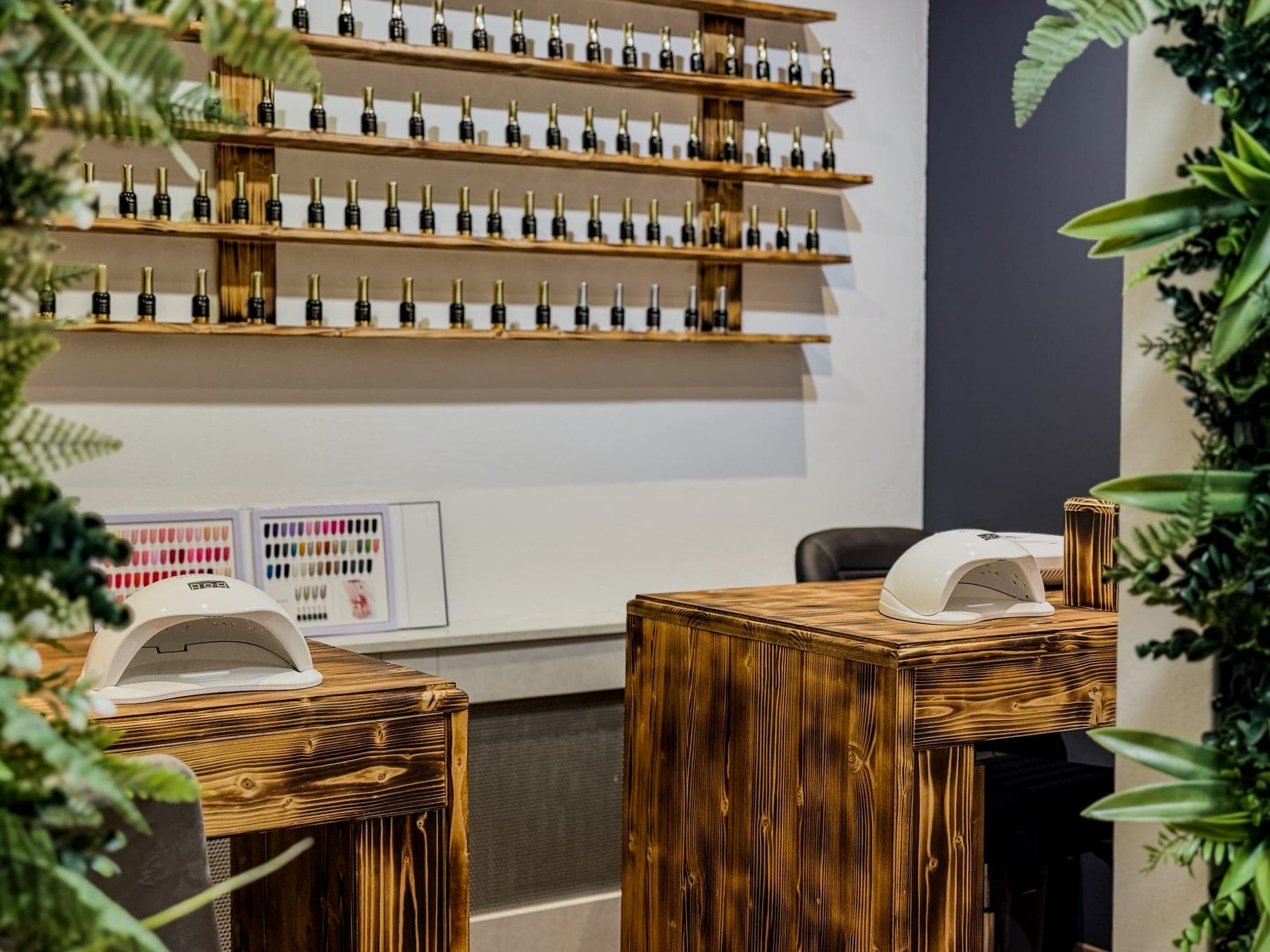
To guarantee absolute safety for every client, our studio enforces a strict, multi-step sanitisation workflow for every single appointment.
Clients interested in our clean, professional treatment standards can explore our recent work in our online gallery before scheduling their next visit.
- 1
Visual nail assessment
The artist inspects every hand and foot nail for discolouration, abnormal thickening, or structural lifting before touching any tools.
- 2
Single-use files and buffers
Disposable nail files and foam buffers are opened fresh from sealed packaging for every client and discarded or given away immediately afterwards.
- 3
Three-step metal sterilisation
All metal instruments undergo ultrasonic cleaning, immersion in high-level disinfectant solution, and high-temperature autoclave sterilisation prior to reuse.
- 4
Pedicure basin sanitation
Foot tubs and work surfaces are thoroughly scrubbed and sprayed with hospital-grade surface disinfectant between every client session.
- 5
Artist hand hygiene
Nail artists clean and thoroughly disinfect their hands with medical-grade rub prior to starting any service.
Have it done at NailLine.
Every service with price and duration on one page – and online booking when it suits you.
See the prices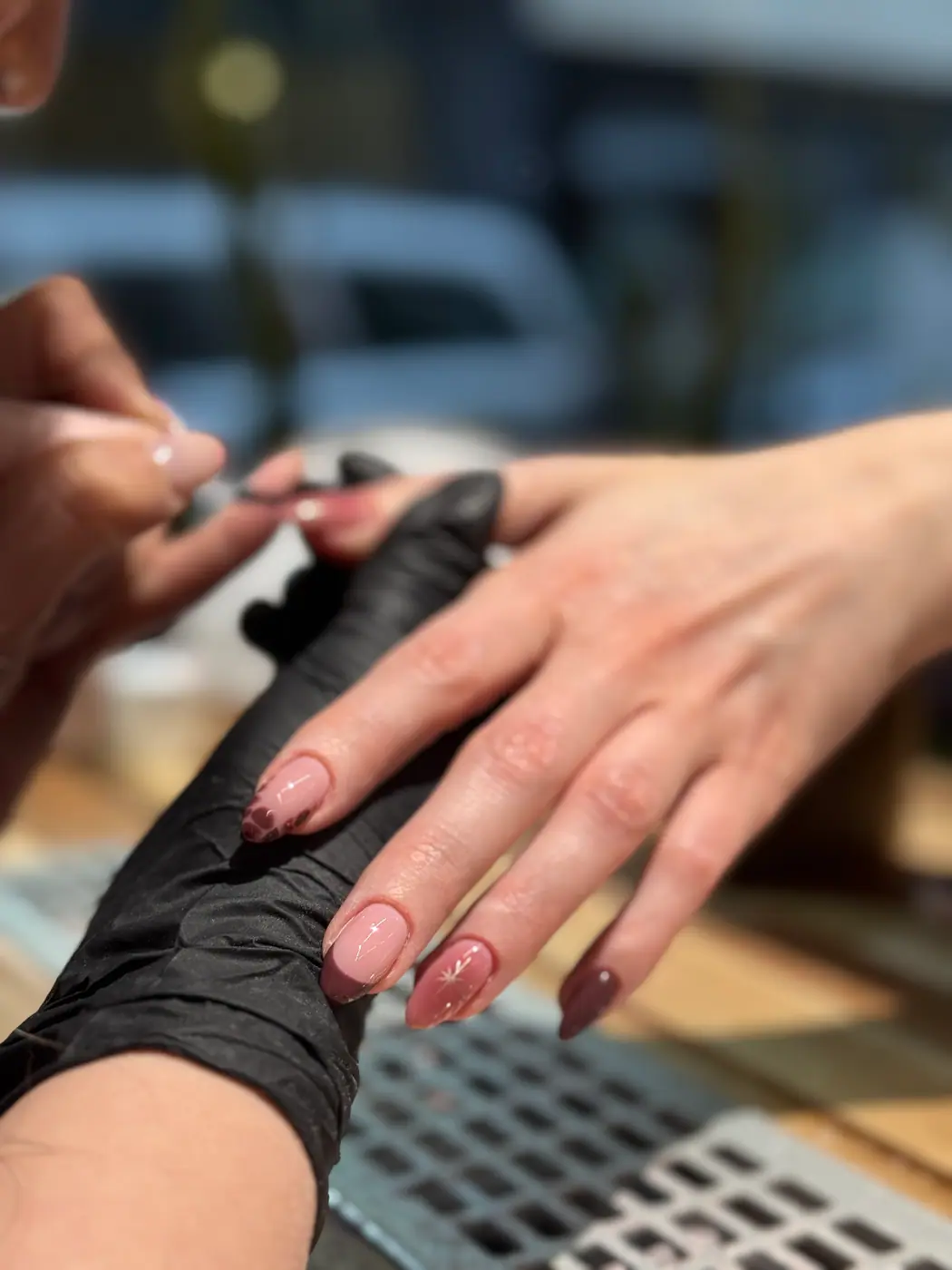
Why Artists Refuse Service on Infected Nails
If a nail technician detects clear signs of a fungal infection—such as distinct yellowish or brownish discolouration, extreme nail plate thickening, or crumbling edges—they are obligated to refuse service. Overlaying gel, builder gel, or acrylic over an active fungal infection seals in the micro-organism, creating a warm, airtight chamber where the fungus multiplies rapidly.
Declining to work on an infected nail is an essential safety standard that protects both the client's long-term nail health and other visitors in the salon. When signs of infection are present, the technician will gently explain the situation and advise you to consult a doctor or dermatologist for appropriate medical treatment before booking any cosmetic nail services.
Do Gel, BIAB or Acrylic Overlays Cause Fungus?
A persistent myth in nail care is that artificial overlays like gel, BIAB, or acrylic directly generate fungal infections. When applied to clean, healthy natural nails, sealed enhancements do not cause fungus. High-quality gel coats form a tight protective shield that defends natural nails against daily wear and external contaminants.
The actual danger arises when an enhancement lifts at the cuticle or sidewalls and is neglected. Water, hand soap, and moisture seep into the tiny gap between the natural nail and the lifted material. This trapped stagnant moisture creates an ideal breeding ground for green pseudomonas bacteria or fungal spores. Keeping your maintenance appointments on schedule and securing prompt repairs for any lifted material keeps your natural nails dry and healthy. You can easily book an appointment online to keep your refills on schedule.
Prioritising Safety in Professional Nail Care
Flawless manicures and pedicures must always rest on a foundation of uncompromising studio hygiene. By combining strict tool sterilisation, single-use disposable abrasives, and careful pre-treatment inspections, NailLine ensures that catching a nail infection is never a risk at our tables.
Protecting your natural nail health and physical comfort remains our primary standard, giving you complete confidence during every visit in Vienna.
The short version
- 1Nail fungus spreads in salons through reused files, unsterilised nippers, and dirty pedicure tubs.
- 2Trained nail artists inspect every nail and decline treatment if signs of infection are present.
- 3Sealed gel, BIAB, and acrylic overlays over healthy natural nails do not cause fungal growth.
- 4Lifting gel must be repaired promptly to prevent trapped moisture from harbouring bacteria or fungi.
Request an appointment.
Two minutes for the form, we confirm by phone. Or book online via Treatwell right away.
To the formFrequently asked
Sources and further reading
Want an appointment?
Send a request
For groups, special wishes or if you would rather talk to us. We reply within one working day.